
Remember when PR meant writing press releases and praying journalists would care? That era is over. Today, you don't pitch stories — you engineer the perception that makes stories inevitable.
We call it Perception Engineering. And it's the playbook for anyone who wants to be seen, trusted, and talked about in the noisiest market in history.
What happened to old PR?
Old PR was reactive. Something happened, you wrote a release, you sent it to a media list, and you hoped. It worked okay when there were a handful of newspapers and TV stations. Now, when everyone with a smartphone is a broadcaster, the old model is dead.
Modern audiences don't wait for the morning paper. They form opinions through social media snippets, algorithmic recommendations, influencer posts, and AI-generated summaries. Perception isn't just about what the press says — it's about what people feel when they encounter your brand anywhere.
The new model: Designing reality
Perception Engineering starts with the truth you want the market to believe. Not spin. Not lies. A genuine, compelling truth about your brand that deserves attention.
Then you orchestrate the signals. You publish data that makes journalists curious. You build an executive's LinkedIn presence so they become the go-to expert. You create moments — events, stunts, stories — that are so interesting the media can't ignore them. You cultivate reviews and community proof so that before anyone writes about you, the public already trusts you.
The three layers of perception are:
Owned perception: What you say about yourself. Your website, your content, your brand voice. This must be watertight.
Earned perception: What others say about you. Media coverage, reviews, social mentions. This is where credibility lives.
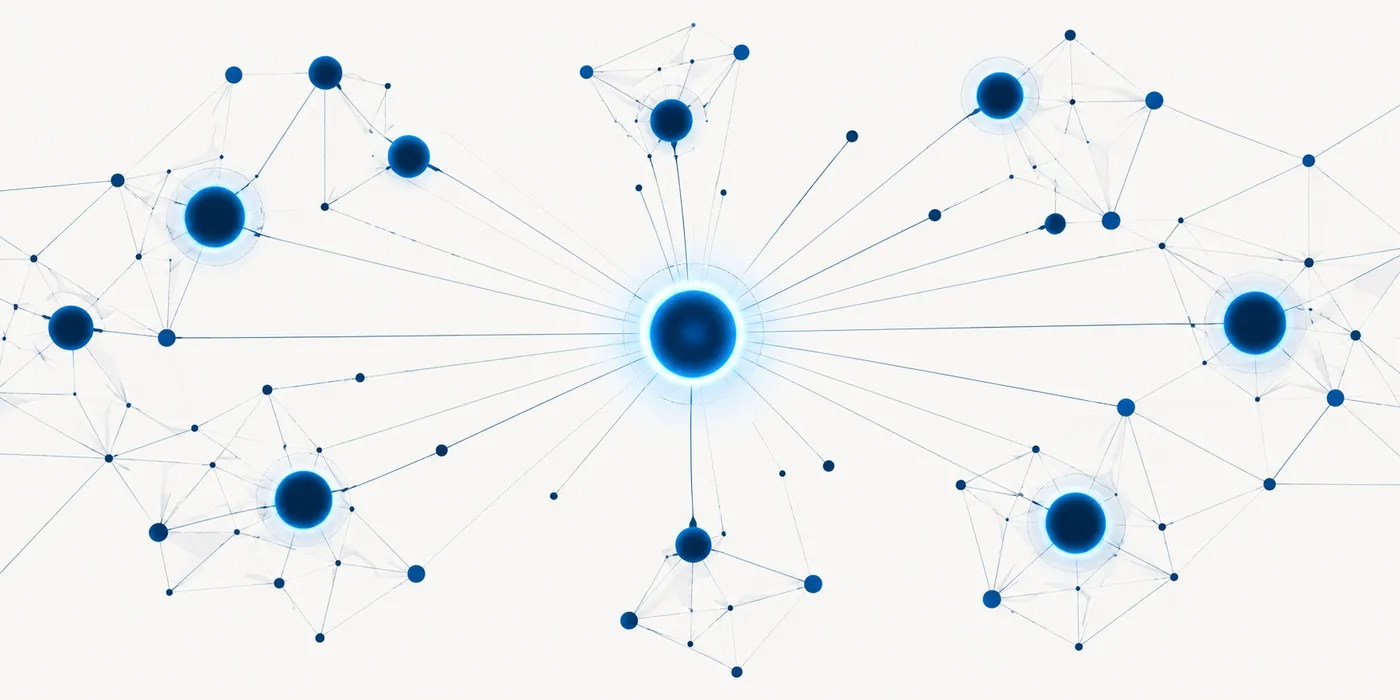
Algorithmic perception: What platforms decide about you. Your search results, your AI recommendations, your social proof scores. This layer is invisible but powerful.
Most businesses focus only on the first layer. Perception Engineering weaves all three together so that everywhere a customer looks, they find the same compelling story.
The channels that actually build each layer
Owned perception is built through the surfaces you fully control: your website's own words, your social bios, the way your team presents the business in its own content. Earned perception is built through channels you influence but don't control outright: press coverage, guest features, community and industry recognition, customer reviews left in their own words. Algorithmic perception is built indirectly, through consistency across both of the above — platforms and AI systems infer trust from patterns across owned and earned sources rather than from any single statement, which is why the three layers can't really be worked in isolation from each other.
Why the algorithmic layer is the one most businesses ignore completely
Owned and earned perception are at least visible — you can read your own website, you can see a news mention. Algorithmic perception is quieter and, increasingly, more decisive. It's the answer an AI assistant gives when asked who's trustworthy in your category. It's whether review platforms surface you with recent, specific, credible reviews or a thin handful from years ago. It's whether the handful of sources an algorithm treats as authoritative about your industry mention you at all.
This layer doesn't respond to a press release. It responds to the same kind of consistent, cross-platform evidence that feeds AEO and GEO — which is exactly why perception engineering, done properly, overlaps with both rather than sitting in a separate lane from them.
An unpaid local mention is worth more than it looks
Consider a single, unpaid mention in a local food or business page — the kind of coverage that used to be filed away as a nice-to-have. In the algorithmic-perception world, that mention becomes a data point a language model or a search algorithm can find, cross-reference, and eventually cite when someone asks a broader question about who's credible in that category. A handful of these, consistent in what they say about you, do more for long-term trust than one large but isolated splash.
How this connects back to AEO and GEO
None of the three layers above is really separable from the other two weapons in this playbook. The reviews and mentions that build earned and algorithmic perception are the same evidence an AI assistant weighs when deciding whether to name you in a spoken answer — that's AEO's territory. The consistent, well-described presence across trusted sources is the same material a language model draws on when deciding whether to recommend you in a written answer — that's GEO's territory. Perception Engineering isn't a fourth, unrelated weapon bolted onto the other four; it's the layer that makes the evidence those other weapons need actually exist in the world.
Building a fortress, not a sandcastle
The best time to shape perception is before you need it. Too many businesses wait until a crisis hits to care about reputation. By then, they're building on sand. Perception Engineering builds a fortress in advance — strong, consistent, and ready for storms.
What "ready for storms" means in practice
A fortress built in advance means that when something does go wrong — a bad review, a public complaint, a competitor's attack — there's already a body of consistent, credible, independent material about your brand for people (and algorithms) to weigh the bad moment against. A brand with no prior perception work has nothing to weigh a crisis against, so the crisis becomes the whole story. A brand with a fortress already standing absorbs it as one bad day in a much longer, well-documented track record.
What this looks like for a business with almost no press history yet
Most small and mid-sized businesses reading this have never been in the news and assume Perception Engineering is therefore not for them yet. It's the opposite case where it matters most: a business with no existing narrative in the world is a blank slate an AI assistant or a curious customer has nothing to go on when checking whether you're credible. Starting early — a handful of genuine local mentions, a consistent and accurate profile across the directories people actually check, reviews that are real and recent — is dramatically easier than trying to build the same fortress after a competitor, or a bad week, has already written the first version of your story for you.
Quick FAQ
Isn't this just "reputation management" with a new name?
It includes reputation management but goes further — reputation management is usually reactive damage control; Perception Engineering is the proactive, ongoing construction of the fortress described above, done whether or not anything has gone wrong yet.
Do I need to be constantly in the news for this to work?
No — consistency and credibility across smaller, real signals (reviews, accurate listings, a handful of genuine mentions) matter more than chasing large but infrequent press hits.
How does this show up in something as unglamorous as my Google Business Profile?
Directly — your Google Business Profile is one of the clearest owned-and-algorithmic surfaces you have, and it's often the very first place both a human and an AI assistant check to sanity-check everything else being said about you elsewhere.
Who actually owns this work internally — marketing, founders, someone else?
In a small business it's usually whoever is closest to the customer relationships, because perception work depends on noticing real moments worth amplifying as they happen, not on a quarterly calendar decided in advance.
What's the very first thing to fix if I'm starting from nothing?
Usually the owned layer — make sure your own website, social bios and Google Business Profile all tell the same accurate, specific story about who you are — because earned and algorithmic perception are both, eventually, checked against that owned baseline.
What getting this wrong actually costs
The absence of Perception Engineering rarely shows up as one dramatic failure. It shows up as a slow tax on everything else: ads that convert at a lower rate because the brand behind them hasn't earned trust yet; an AEO or GEO push that struggles to gain traction because there isn't enough credible third-party material anywhere for an algorithm to point to; a sales conversation that takes one extra call because the prospect Googled the business first and found nothing reassuring. None of these gets diagnosed as a "perception problem" from the inside — they just look like every other channel quietly underperforming, for reasons that seem to have nothing to do with each other.
Perception Engineering isn't a single campaign you run once. It's the layer of work that makes every other layer — AEO, GEO, performance, brand — easier to trust, because trust is the currency all four ultimately spend. See how we build it.
YOUR MOVE
What's the first impression when someone Googles your brand? If it's not what you want, we should talk. Book a perception audit.
Your move
What's the first impression when someone Googles your brand? If it's not what you want, we should talk. Book a perception audit.